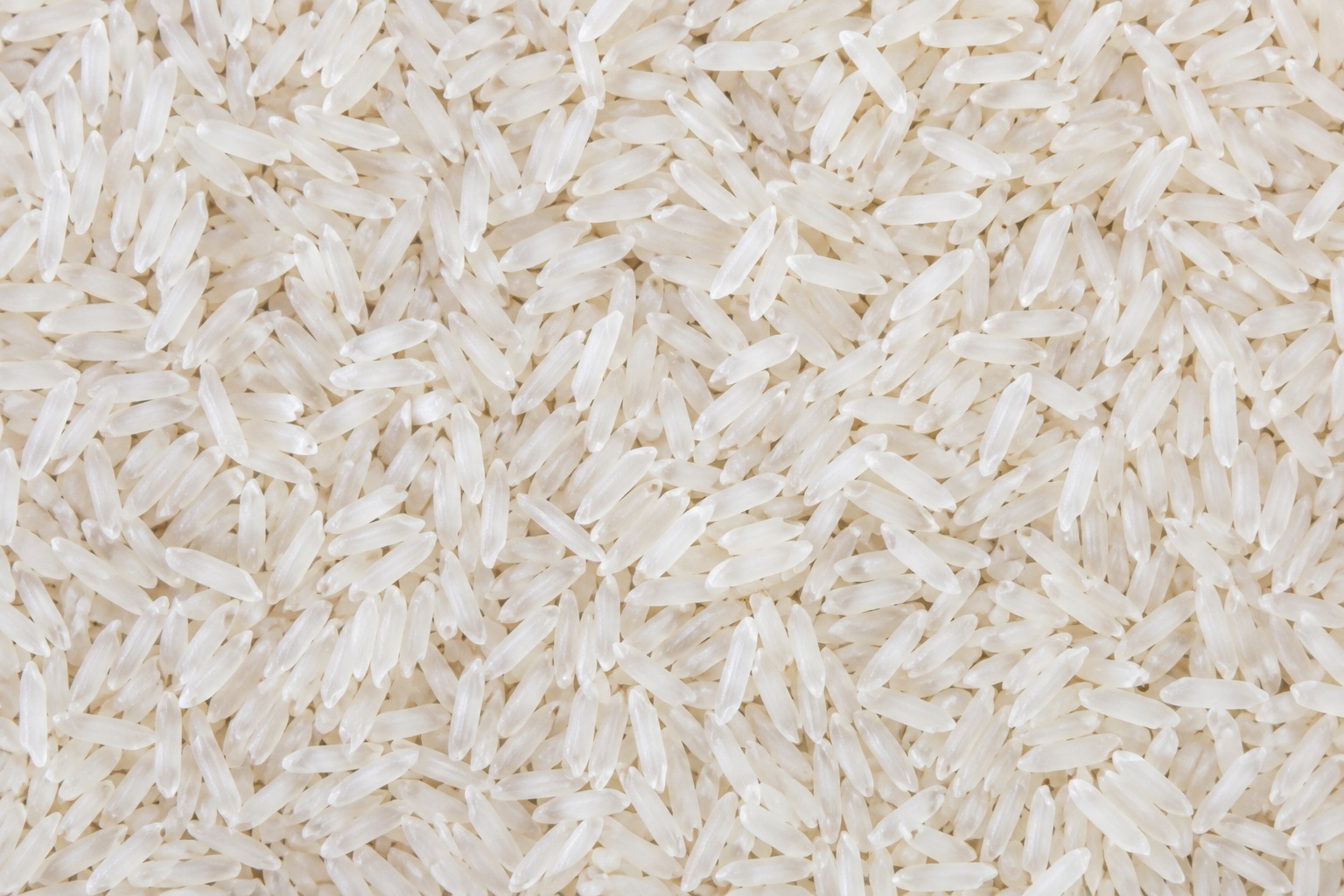
Rice is a staple cereal used as intact grains and as an ingredient in food manufacturing. Its value in the kitchen comes from the way the grains absorb water, develop texture and carry other flavours. Grain length, variety and milling method create distinct products, from separate, firm grains for rice dishes to softer textures for puddings and other preparations.
Grain types and processing
Brown rice retains its bran layer after the husk is removed, while white rice undergoes further milling. Parboiled rice is soaked, heat-treated and dried before final milling. These processes influence colour, flavour and cooking behaviour. The proportion of broken grains also affects appearance and consistency, particularly when the finished dish is intended to show individual grains.
Culinary and manufacturing uses
Whole rice serves household kitchens, restaurants and prepared-meal production. Different varieties suit pilaf, steamed rice, stuffed vegetables or desserts. Rice can also be milled into flour for noodles, batters and other processed foods. A grain selected for a distinct, separate texture may behave differently from one intended for a soft or creamy preparation.
Packing and grain care
Dry rice needs packaging that protects it from moisture, pests and outside odours. Bagged grain is best kept on clean pallets in a dry store, with space for inspection and stock rotation. Brown rice requires particular attention to storage conditions because it retains the oil-containing bran. Follow the packer's storage guidance for the specific rice type.
Common product questions
Is parboiled rice the same as instant rice?
No. Parboiling treats the grain before final milling and changes its cooking characteristics. The term does not mean the rice is ready to eat or that it has an instant preparation time.
Does long-grain rice always cook the same way?
No. Grain length is one characteristic. Variety, milling and other processing also influence water absorption and texture, so two long-grain products can behave differently in the same recipe.
Are broken grains always unsuitable?
Broken rice may suit flour production or preparations where an intact grain is less important. The acceptable proportion depends on the intended use and the desired appearance of the finished food.
Technical reference
Reference analysis
The table gives a quality reference for milled white rice. Variety, grain length and broken-grain percentage remain separate buying choices.
Reading the values
≤ Maximum · ≥ Minimum
A dash between two values indicates a range.
Reference analysis
Milled white rice — quality limits
Oryza sativa
For milled rice prepared for direct human consumption. These values exclude glutinous rice and other rice-derived products. All figures are maximum mass fractions.
Milled white rice — quality limits — Oryza sativa
Parameter
Reference value
Unit
Moisture
≤ 15.0
% m/m
Other organic extraneous matter
≤ 0.5
% m/m
Inorganic extraneous matter
≤ 0.1
% m/m
Impurities of animal origin
≤ 0.1
% m/m
These are published reference values for the named grade or product. The agreed order specification and the mill or batch certificate of analysis determine the supplied material.
02 / Specification guide
Define your requirement.
These are the details to provide, not a fixed offered specification.
Product identity
Variety, grain length, milling and parboiled or non-parboiled form.
Quality parameters
Broken grains, moisture, foreign matter and agreed grain defects.
Origin & crop year
Origin preference, harvest or production date and lot traceability.
Packing & storage
Food-grade bags or agreed bulk format; net weight, moisture protection and lot labelling.
Quality documentation
Agreed analysis, inspection and destination documentation.
Commercial terms
Quantity, destination, delivery window and trade terms.
03 / Documents to request
Make the brief complete.
State which documents and approvals are required. Availability and scope are confirmed for each enquiry.
01
Batch certificate of analysis and agreed quality test results.
02
Origin, packing list and lot traceability records.
03
Phytosanitary or other destination documents where applicable.