
Dena Star Trading L.L.C.
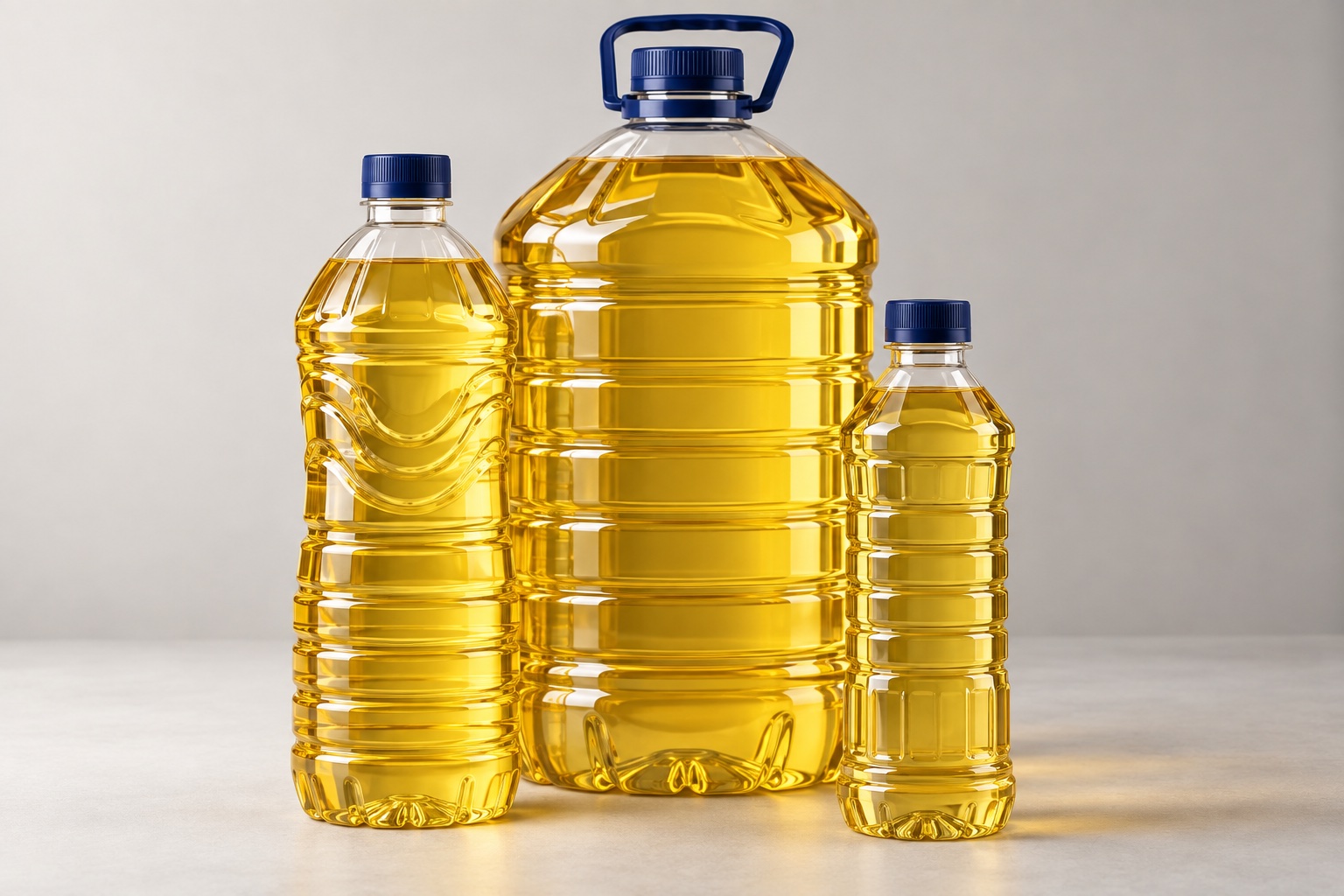
Golden edible vegetable oil in clear bottles and a larger jug on a neutral studio background
Representative product image.
Food industry / OIL

Edible oil

Edible vegetable oil specified by oil type, refining, quality parameters and packing.

Request for Quotation
01 / Product overview

About this product

Edible oil is an edible fat used to transfer heat, carry flavour and create texture in food. Vegetable oils are produced from different seeds or fruits, so the name of the source matters as much as the word oil. Sunflower, soybean and other oils have their own characteristics, while refining and pressing methods further influence their flavour and performance.

Oil identity and processing

Refined oils generally have a milder flavour and more neutral appearance than less processed alternatives. Cold-pressed oils are obtained mechanically without applied heat and can retain more of their source's character. A blend combines named oils in a stated composition. Colour alone does not establish quality; odour, freshness and the declared oil identity are also relevant.

Uses in kitchens and food production

Edible oils are used in sautéing, baking, dressings, sauces and food manufacturing. Frying places different demands on an oil from a cold dressing, especially when heating is prolonged or repeated. The selected oil and grade should suit the process. Its flavour may be deliberately noticeable in a recipe or chosen to leave other ingredients prominent.

Packaging and freshness

Bottles and catering containers support direct kitchen use, while suitable drums or bulk tanks serve manufacturing. Food-contact packaging must remain clean and tightly closed. Exposure to light, air and excessive heat can reduce oil quality, so storage away from direct sunlight and hot equipment matters. Keep the original product identification and follow the producer's storage instructions.

Common product questions

Can the same oil be used for every cooking method?

Not necessarily. Cold dressings, baking and prolonged frying place different demands on oil. Suitability depends on the named oil, its processing and the performance specified by the producer.

What does a blended vegetable oil mean?

A blended oil contains more than one vegetable oil. Its ingredients and proportions determine its character, so the blend composition is more informative than the general description vegetable oil.

Why does a sealed container still need careful storage?

Sealing limits contact with air and contamination, but does not prevent exposure to light or heat. Both packaging and storage conditions contribute to preserving the quality of unopened oil.

Technical reference

Reference analysis

Refined edible oils are commonly assessed using acid value, peroxide value and cleanliness measures. The table gives supplementary quality guidance; the named oil still needs its own identity and composition checks.

Reading the values

≤ Maximum · ≥ Minimum

A dash between two values indicates a range.

Published reference specification

Refined vegetable oils — supplementary guidance

Refined edible oils

Reference values for refined named edible oils. These supplementary quality factors are purchasing guidance, not universal mandatory limits. Confirm the oil type and the complete agreed specification.

Refined vegetable oils — supplementary guidance — Refined edible oils
ParameterReference valueUnit
Acid value≤ 0.6mg KOH/g
Peroxide valueMilliequivalents of active oxygen per kilogram of oil.≤ 10meq O₂/kg
Volatile matter at 105 °C≤ 0.2% m/m
Insoluble impurities≤ 0.05% m/m
Soap content≤ 0.005% m/m
Iron (Fe)≤ 1.5mg/kg
Copper (Cu)≤ 0.1mg/kg

Do not apply these refined-oil acid and peroxide values to virgin or cold-pressed oils. An agreed oil-specific specification remains necessary.

m/m means percentage by mass. These selected quality limits do not replace a complete purchase specification or destination requirements for contaminants and hygiene.

These are published reference values for the named grade or product. The agreed order specification and the mill or batch certificate of analysis determine the supplied material.

02 / Specification guide

Define your
requirement.

These are the details to provide, not a fixed offered specification.

Product identity
Named oil, refined or cold-pressed form, and any blend composition.
Quality parameters
Acid value, peroxide value, colour, odour and agreed purity parameters.
Origin & production date
Country of origin, refining or bottling date and batch traceability.
Packing & storage
Food-grade bottles, tins, drums or bulk format; seal integrity, net volume and protection from heat and light.
Quality documentation
Agreed analysis, inspection and destination documentation.
Commercial terms
Quantity, destination, delivery window and trade terms.
03 / Documents to request

Make the brief
complete.

State which documents and approvals are required. Availability and scope are confirmed for each enquiry.

  1. 01

    Batch certificate of analysis and agreed quality test results.

  2. 02

    Origin, packing list and lot traceability records.

  3. 03

    Phytosanitary or other destination documents where applicable.

Prepare an enquiry