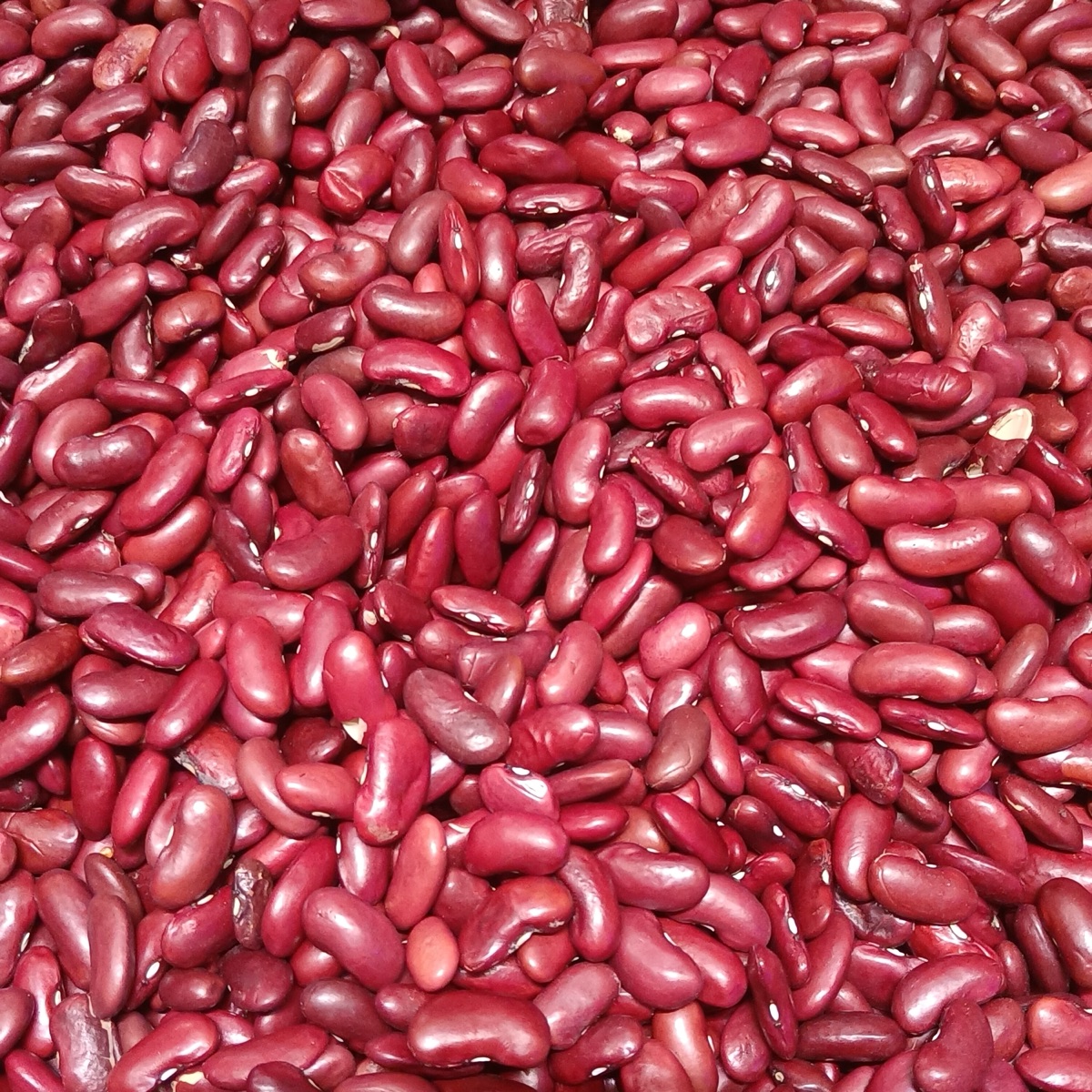
Dry beans are mature bean seeds harvested for use as pulses, rather than eaten as fresh green pods. Their variety determines the colour, size, skin and texture that remain important after cooking. They are a versatile ingredient for everyday meals and manufactured foods, with different types lending themselves to dishes where the beans stay whole or become a smooth filling.
Varieties and cooking characteristics
White, kidney and pinto beans are examples of distinct market types, rather than interchangeable names for the same product. Uniform size helps a batch cook more evenly. Intact skins, limited split beans and freedom from foreign material contribute to a consistent presentation. Crop age and storage history can also affect how readily dry beans soften during cooking.
From whole beans to prepared foods
Beans are used in stews, soups, salads, baked dishes and fillings. Food processors also prepare them for canning, ready meals and purées. A whole-bean dish benefits from a variety that holds its shape, whereas a smooth preparation uses the cooked texture differently. Dry beans require appropriate preparation and thorough cooking; they are not a ready-to-eat ingredient.
Dry storage and handling
Protect bagged beans from moisture, pests and contamination in a cool, dry store. Pallets keep sacks clear of the floor and make routine inspection easier. Excessive heat and poor storage can make beans harder to cook, even when their appearance seems unchanged. Gentle handling limits broken skins, and clearly identified lots help maintain consistent processing and stock rotation.
Common product questions
Are dry beans ready to use like canned beans?
No. Dry beans are an uncooked ingredient and need suitable preparation and thorough cooking. Canned beans have already undergone processing, so the two forms require different handling in a recipe.
Why can two batches need different cooking times?
Variety, bean size, crop age and storage conditions can all influence softening. A similar colour does not guarantee identical cooking behaviour, which is why batch consistency matters in food processing.
How do pinto and white beans differ?
They are different market types with distinct appearance and cooking characteristics. Both can serve whole-bean dishes or prepared foods, but the best choice depends on the texture and presentation required.
Technical reference
Reference analysis
The table provides reference quality criteria for the named pulse prepared for direct human consumption. The applicable moisture ceiling depends on climate, storage duration and whether the seed coat has been removed.
Reading the values
≤ Maximum · ≥ Minimum
A dash between two values indicates a range.
Reference analysis
Whole dry beans — reference quality limits
Phaseolus spp.
Whole, seed-coated product. Both moisture options are shown; choose the applicable option rather than treating the higher figure as suitable for every shipment.
Moisture — tropical climate or long storageLong storage: more than one crop year.
≤ 15
% m/m
Moisture — moderate climate or short storage
≤ 19
% m/m
Total extraneous matter
≤ 1.00
% m/m
Mineral matterIncluded in total extraneous matter.
≤ 0.25
% m/m
Impurities of animal originIncluded in total extraneous matter.
≤ 0.10
% m/m
These are published reference values for the named grade or product. The agreed order specification and the mill or batch certificate of analysis determine the supplied material.
02 / Specification guide
Define your requirement.
These are the details to provide, not a fixed offered specification.
Product identity
Bean variety, colour, size and whole or split form.
Quality parameters
Moisture, foreign matter, damaged beans and size uniformity.
Origin & crop year
Origin preference, harvest or production date and lot traceability.
Packing & storage
Food-grade bags; net weight, bag integrity, dry storage and lot labelling.
Quality documentation
Agreed analysis, inspection and destination documentation.
Commercial terms
Quantity, destination, delivery window and trade terms.
03 / Documents to request
Make the brief complete.
State which documents and approvals are required. Availability and scope are confirmed for each enquiry.
01
Batch certificate of analysis and agreed quality test results.
02
Origin, packing list and lot traceability records.
03
Phytosanitary or other destination documents where applicable.