
Dena Star Trading L.L.C.
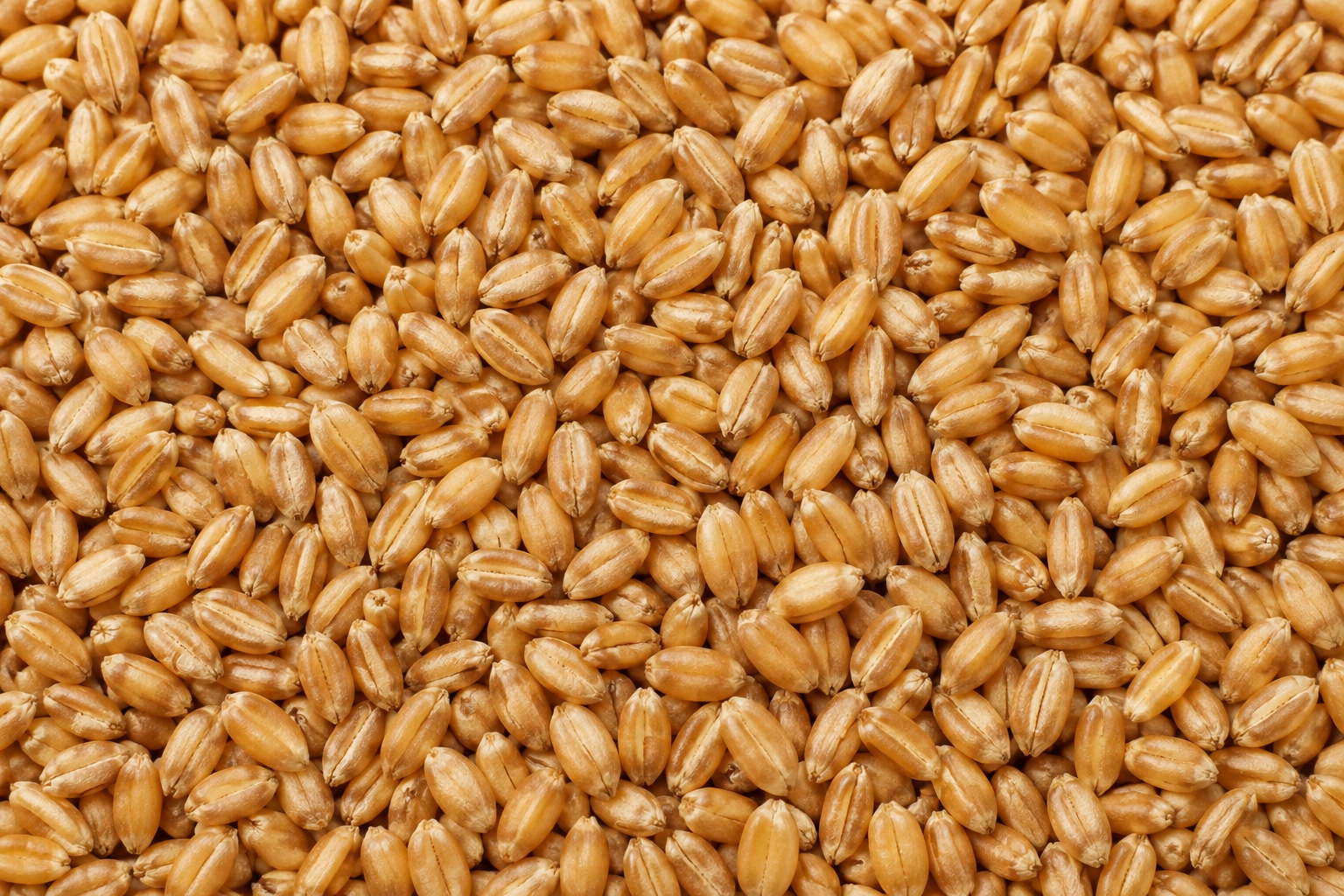
Close-up of full golden wheat grains
Representative product image.
Food industry / WHT

Wheat

Wheat grain for milling or feed, specified by class, protein, moisture and packing.

Request for Quotation
01 / Product overview

About this product

Wheat is a cereal that supplies the raw material for flour, semolina and many familiar foods. Its commercial value depends on more than the appearance of the grain: milling behaviour and the properties of the resulting dough are central to its use. Common wheat and durum wheat serve different processing routes, while suitable wheat grades also enter animal-feed production.

Wheat classes and functional quality

Harder and softer common wheats offer different milling and baking characteristics. Protein quantity and quality influence dough behaviour, but the required performance depends on the finished product. Durum is a distinct wheat type associated with semolina. Moisture, test weight, grain damage and foreign matter add information about condition; no single measurement describes every aspect of processing quality.

Flour, semolina and feed applications

Bread and many noodle products rely on flour from common wheat, while softer wheat types are widely used for cakes, biscuits and pastries. Durum semolina is a principal material for pasta and couscous. Feed use follows a separate specification and formulation process. Grain intended for milling or feeding is not the same commercial product as certified planting seed.

Storage and lot management

Wheat is handled in bags or bulk facilities that keep the grain dry and protected from pests. Regular checks for temperature changes, moisture and signs of infestation help detect deterioration. Separating identified lots preserves the characteristics needed for milling or blending. Clean handling equipment and suitable aeration are useful parts of a storage plan matched to the local climate.

Common product questions

What is the difference between common wheat and durum?

Common wheat supplies many bread, noodle and bakery flours. Durum is a distinct wheat type commonly milled into semolina for pasta and couscous, with different processing characteristics.

Does higher protein always mean better wheat?

No. The useful protein level and its functional quality depend on the product. Bread, biscuits and other foods require different dough characteristics, so one figure cannot establish suitability for every application.

Why are wheat lots kept separate?

Different lots may vary in protein, condition and milling performance. Keeping their identity allows a mill to process them consistently or blend them deliberately, rather than lose control through unintended mixing.

Technical reference

Reference analysis

These reference criteria describe the quality of wheat grain intended for food processing. Milling protein, dough performance and the commercial grade must also be agreed.

Reading the values

≤ Maximum · ≥ Minimum

A dash between two values indicates a range.

Reference analysis

Common wheat — selected quality limits

Triticum aestivum

Common wheat for processing for human consumption. Does not cover feed, flour, club wheat or red durum wheat. Values below are maximum mass fractions.

Common wheat — selected quality limits — Triticum aestivum
ParameterReference valueUnit
Moisture≤ 14.5% m/m
Ergot≤ 0.05% m/m
Other organic extraneous matter≤ 1.5% m/m
Inorganic extraneous matter≤ 0.05% m/m
Impurities of animal origin≤ 0.1% m/m

A lower moisture limit may be needed for the destination climate and the duration of transport or storage.

m/m means percentage by mass. These selected quality limits do not replace a complete purchase specification or destination requirements for contaminants and hygiene.

These are published reference values for the named grade or product. The agreed order specification and the mill or batch certificate of analysis determine the supplied material.

02 / Specification guide

Define your
requirement.

These are the details to provide, not a fixed offered specification.

Product identity
Wheat class, common or durum wheat, and milling or feed use.
Quality parameters
Protein, moisture, test weight, foreign matter and grain defects.
Origin & crop year
Origin preference, harvest or production date and lot traceability.
Packing & storage
Bulk grain or bags; net weight, moisture protection and segregation by wheat class and lot.
Quality documentation
Agreed analysis, inspection and destination documentation.
Commercial terms
Quantity, destination, delivery window and trade terms.
03 / Documents to request

Make the brief
complete.

State which documents and approvals are required. Availability and scope are confirmed for each enquiry.

  1. 01

    Batch certificate of analysis and agreed quality test results.

  2. 02

    Origin, packing list and lot traceability records.

  3. 03

    Phytosanitary or other destination documents where applicable.

Prepare an enquiry