
Dena Star Trading L.L.C.
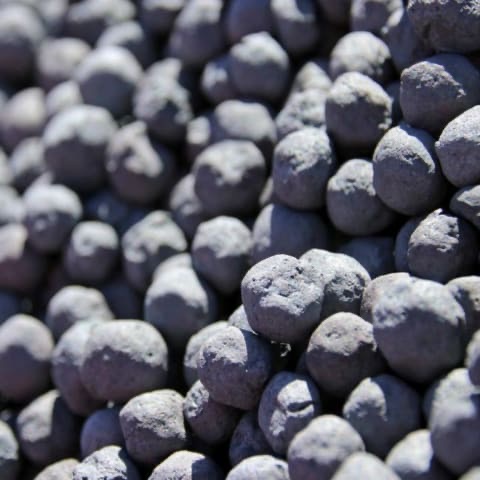
Grey direct-reduced iron pellets with a rough porous surface
Representative product image. Photo: G R Group · Source photograph
Iron & steel / DRI

Sponge iron (DRI)

Porous direct-reduced iron used with scrap or other metallic inputs in steelmaking.

Request for Quotation
01 / Product overview

About this product

Sponge iron is produced by removing oxygen from iron ore without melting the material. Reduction leaves a porous metallic structure, which gives the product its familiar name. It can be made from pellets or suitable lump ore, and its carbon content and metallisation depend on the production route.

Steelmakers use DRI alongside scrap and other metallic feedstocks to control the furnace charge and final steel chemistry. Charging proportions depend on the furnace and operating practice. Uncompacted sponge iron is distinct from dense hot-briquetted iron. Its porous structure makes protection from water and reoxidation important during storage and transport; handling requirements should be agreed with the receiving plant.

Size guide

Sizes & dimensions

Sponge iron (DRI) — Size guide
ParameterSize or format
Reference pellet / lump size5–18 mm
Reference bulk density1.6–1.9 t/m³
Fines allowanceTo be agreed for the production route

These are reference physical values. Confirm the form, size distribution and actual delivery condition for the order.

Technical reference

Analysis

DRI composition depends on the reduction route and feed ore. The following low-carbon example is a comparison profile; gas-based material can have a different carbon level.

Reading the values

≤ Maximum · ≥ Minimum

A dash between two values indicates a range.

Composition profile

Sponge iron — typical composition

Composition is by mass. Metallisation is the ratio of metallic iron to total iron; the ranges describe a product family rather than paired results from one batch.

Sponge iron — typical composition
ParameterReference valueUnit
Total iron (Fe)88–92%
Metallic iron (Fe)78–80%
Metallisation85–92%
Carbon (C)0.1–0.3%
Silica + alumina (SiO₂ + Al₂O₃)4–8%
Sulphur (S)< 0.03%
Phosphorus (P)< 0.05%

Confirm the production route, moisture basis and actual chemistry. Uncompacted sponge iron and HBI have different physical handling requirements.

These tables describe reference composition options. Final chemistry and delivery requirements are confirmed in the quotation and heat-analysis certificate.

02 / Specification guide

Define your
requirement.

These are the details to provide, not a fixed offered specification.

Application
Intended use, processing route and required delivery condition.
Chemical composition
Required element ranges and impurity limits.
Dimensions & tolerances
Required dimensions, length or particle sizing and permitted tolerances.
Quality requirements
Relevant mechanical or physical properties and inspection requirements.
Packing & identification
Packing format, bundle or lot identification and handling requirements.
Commercial terms
Quantity, delivery destination and required delivery window.
03 / Documents to request

Make the brief
complete.

State which documents and approvals are required. Availability and scope are confirmed for each enquiry.

  1. 01

    Batch or heat certificate of analysis for the agreed material.

  2. 02

    Dimensional and relevant physical or mechanical inspection reports.

  3. 03

    Packing list, lot identification and agreed shipment documents.

Prepare an enquiry